
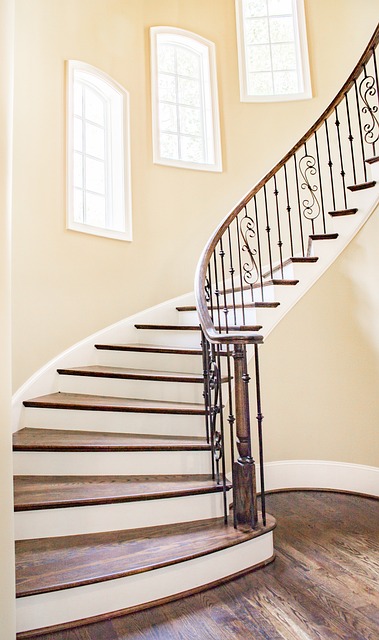
For a home to function well, it needs to be safe, so it’s a good idea to assess the safety of your home from time to time. Take staircases, for example. While they are a common feature in most homes, they can also pose a safety hazard if not properly maintained or used with caution. Let’s explore some features of staircase safety:
Proper lighting is crucial for staircase safety. Ensure the staircase area is well-lit to eliminate shadows and enhance visibility, reducing the risk of tripping or missteps. Motion sensor lights can be an effective and energy-efficient solution for staircase lighting. They automatically turn on when motion is detected, ensuring there is sufficient light when you need it.
Handrails play a vital role in preventing falls on staircases. Securely fastened handrails are essential for preventing falls. Regularly inspect handrails for loose fittings or damage and repair or replace them promptly to maintain their effectiveness.
Tripping or slipping hazards can lead to serious accidents. Adding non-slip treads or stair coverings is an effective measure to enhance traction on staircases. Non-slip treads provide an additional layer of safety by improving traction on each step. They are especially useful in homes with young children, older adults, or individuals with mobility issues. There are various non-slip tread options available, including adhesive treads, rubber treads, and carpeted treads. Choose the type that suits your staircase material and aesthetic preferences.
Keep staircases clear and clutter-free. Remember that a clutter-free staircase is a safer staircase, so try to avoid leaving items on the stairs.
Ensuring the safety of your home staircase is paramount for preventing accidents and injuries. By following the guidelines provided in this article, you can create a safe environment for everyone in your household.