
Every house makes noise. Floors creak, pipes rattle, vents hum, and walls occasionally pop without warning. Most of the time, these sounds are completely harmless and simply part of a home settling and reacting to changing temperatures, moisture levels, and everyday use. Still, certain noises deserve a closer look because they can point to developing problems behind the walls, under the floors, or above the ceiling.
The Familiar Creak of Floors and Stairs
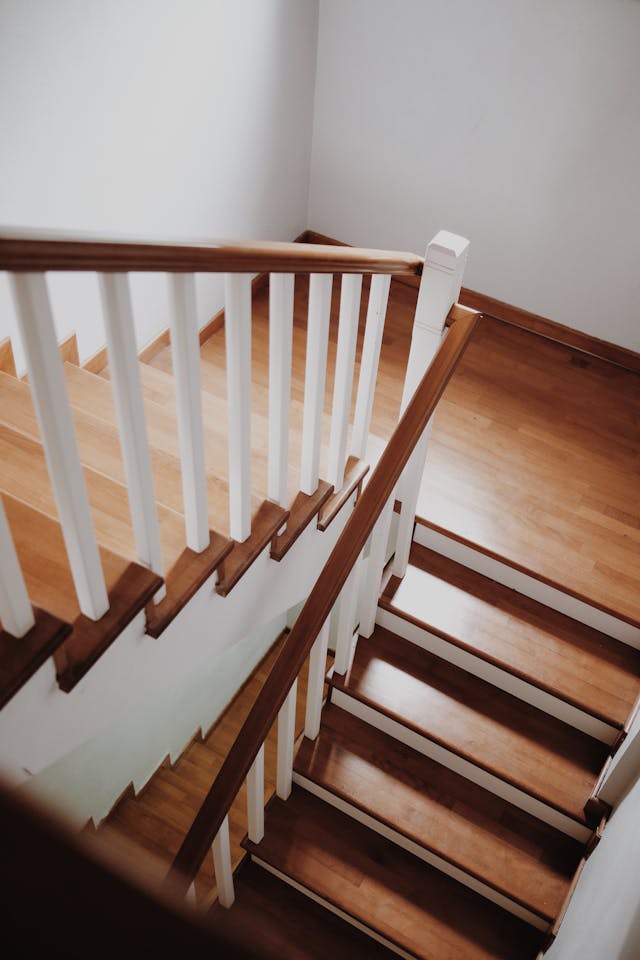
Wood flooring expands and contracts as humidity changes through the seasons. That movement often causes creaks and squeaks, especially in older homes. A single noisy stair or floorboard usually is not a concern. However, if a section suddenly becomes soft, bouncy, or noticeably louder, it may indicate loose subflooring, moisture damage, or weakened framing underneath.
Pay attention if the sound changes quickly or is paired with visible sagging.
Popping and Cracking in Walls or Ceilings
Sharp popping noises often happen when framing materials warm up during the day and cool down at night. Metal ductwork can also create loud ticking or popping sounds as it expands and contracts.
Occasional noises are normal. Continuous cracking sounds, especially alongside drywall cracks or doors that suddenly stick, can sometimes signal structural movement worth investigating further.
Banging Pipes and Water Noises
One of the most common complaints in homes is the sudden bang that happens when a faucet or washing machine shuts off. This is generally known as “water hammer.” It occurs when fast-moving water abruptly changes direction inside plumbing lines.
While a single bang may not seem serious, repeated pressure shocks can stress pipes and fittings over time. Loose plumbing lines may also rattle inside walls, especially in crawlspaces or unfinished basements.
A hissing sound, on the other hand, deserves more attention. Persistent hissing may indicate a hidden leak, excessive water pressure, or a failing valve.
HVAC Sounds That Shouldn’t Be Ignored
Heating and cooling systems naturally make low mechanical sounds during operation. Gentle airflow and occasional clicks are expected. Grinding, screeching, or loud buzzing noises are not.
A screeching furnace blower or outdoor unit may point to worn bearings or a failing motor. Delaying repairs can turn a relatively small service issue into a major equipment replacement.
If vents suddenly whistle loudly, restricted airflow from dirty filters or blocked ducts could be the culprit.
Attic and Roof Noises at Night
Wind, temperature swings, and wildlife are responsible for many nighttime noises overhead. Light tapping from tree branches or occasional expansion sounds in the roof framing are fairly typical.
Repeated scratching, scurrying, or movement sounds in the attic usually suggest unwanted visitors such as rodents or birds. Addressing these early helps prevent insulation damage and wiring issues.
When Noise Becomes a Warning Sign
A good rule is simple: familiar noises that stay consistent are usually less concerning than new noises that grow louder, happen frequently, or appear alongside other symptoms.
Watch for sounds paired with water stains, burning odors, sagging materials, flickering lights, or foundation cracks. Those combinations often indicate a problem that should not wait.
Homes rarely stay perfectly quiet, but they usually give warning signs before bigger issues develop. Knowing which noises are ordinary — and which deserve attention — can help avoid costly surprises later on.