
Creating a child-safe home goes far beyond covering electrical outlets and installing stair gates. Young children are naturally curious, and they often discover hazards that adults rarely notice. Taking a closer look at everyday features throughout the home can make a significant difference in preventing accidents while allowing little ones to explore with confidence.
Look Beyond Floor Level
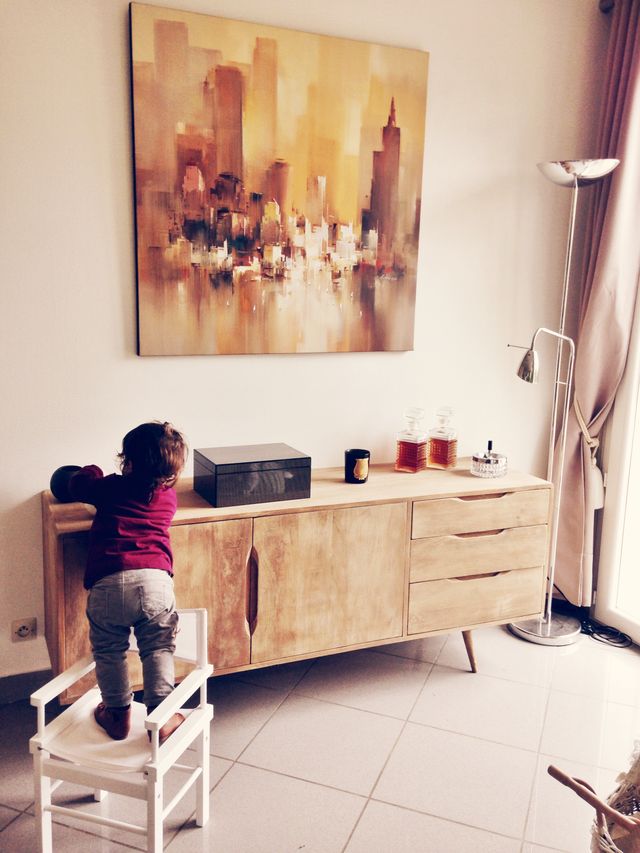
Most safety efforts focus on what children can reach today, but toddlers grow quickly. Furniture, shelves, and even heating radiators can become climbing aids within months. Bookcases, dressers, and entertainment units should always be securely fixed to the wall to prevent tip-overs. Decorative items placed on high surfaces may also become tempting targets if they appear within climbing distance.
Window blind cords deserve equal attention. These can create a serious strangulation hazard if left hanging freely. Cordless blinds or properly secured safety cleats are a worthwhile upgrade.
Hidden Household Hazards
Many common products are stored in places that seem safe but remain accessible to determined children. Laundry pods, dishwasher tablets, medications, batteries, and cleaning products should all be kept in locked cabinets rather than simply placed on higher shelves.
Button batteries deserve particular caution. They are found in remote controls, greeting cards, bathroom scales, and children’s toys. If swallowed, they can cause life-threatening internal injuries in a very short time.
Doors, Windows and Finger Traps
Pinched fingers are among the most frequent household injuries for young children. Soft-close door devices or finger guards can reduce this risk considerably. Window restrictors are another valuable addition, especially in upstairs rooms, preventing windows from opening wide enough for a child to fall through while still allowing ventilation.
Don’t overlook patio doors and heavy interior doors, which can close unexpectedly due to drafts.
Everyday Features Worth Checking
Home safety also includes features that are often taken for granted. Loose handrails, uneven flooring, worn carpets, and slippery rugs can all contribute to trips and falls. Non-slip mats in bathrooms and secure rug grips throughout the home help create safer walking surfaces for both children and adults.
Furniture with sharp corners positioned in busy walkways can also become a hazard as children learn to walk. Corner protectors offer a simple solution without affecting the appearance of the room.
Fire and Emergency Readiness
Smoke alarms should be tested regularly, and carbon monoxide alarms should never be overlooked where fuel-burning appliances are present. Families should also have an escape plan that everyone in the household understands.
Keep keys for doors and windows easily accessible to adults but out of children’s reach. In an emergency, every second matters.
Safety Evolves as Children Grow
Child-proofing is not a one-time project. As children become taller, stronger, and more adventurous, new risks appear. A home that was safe six months ago may need another careful review today.
Regularly walking through each room with a child’s perspective often reveals overlooked hazards before they become accidents. Small improvements made over time can create a home that remains both welcoming and significantly safer for every stage of childhood.