
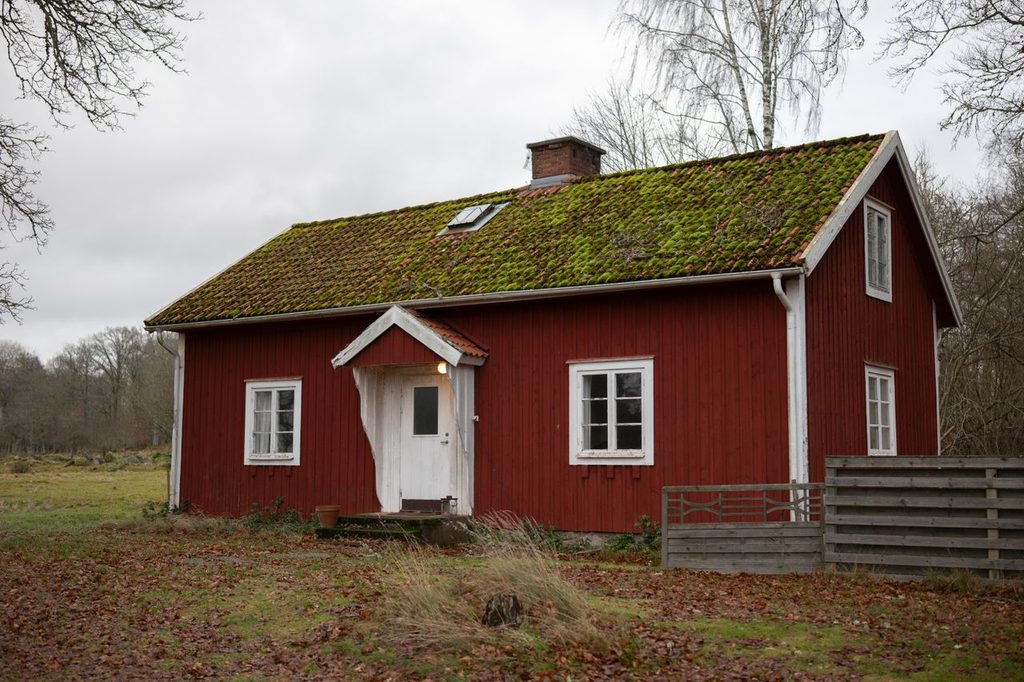
A patch of green moss might give a roof a charming, natural appearance, but beneath that soft texture can be a maintenance concern worth addressing. In Boise, where seasonal moisture, shaded areas, and winter weather can affect roofing materials, knowing when moss needs attention can help protect your home.
Is Roof Moss Really a Problem?
In most cases, yes—especially when moss becomes established.
Moss holds moisture against the roofing surface. Over time, this can accelerate the deterioration of asphalt shingles, encourage granule loss, and contribute to premature roof aging. As moss thickens, it can also lift shingle edges, creating opportunities for wind-driven rain to reach vulnerable areas.
Moss does not automatically mean your roof is damaged or leaking. However, visible growth is a good reason to inspect the roof’s condition and identify why moisture is lingering.
Shaded roof slopes, overhanging branches, clogged gutters, and poor drainage can all contribute to moss growth.
When Should You Remove Moss?
The best approach is to address moss before it becomes widespread. Small patches may be manageable, while extensive growth can require professional treatment.
Consider these warning signs:
- Thick green mats covering multiple shingles.
- Raised or curled shingle edges where moss has taken hold.
- Persistent dampness in shaded roof areas.
- Loose granules or damaged shingles near affected sections.
If the roof is steep, fragile, or heavily covered, a qualified roofing professional is the safer choice.
How to Remove Roof Moss Without Causing Damage
Safety comes first. Roof work involves serious fall risks, and wet shingles can be especially slippery. Never climb onto a roof simply to remove moss.
- Inspect from the ground. Use binoculars to assess the affected areas. Look for damaged shingles, clogged gutters, and overhanging branches.
- Choose a roof-safe treatment. Use a moss-control product specifically labeled for your roofing material. Follow the manufacturer’s directions, including precautions for nearby plants and water runoff.
- Avoid aggressive cleaning. Pressure washing, wire brushes, and forceful scraping can strip protective granules and damage shingles. Avoid chlorine bleach or other chemicals unless the roofing manufacturer specifically permits their use.
- Let the treatment work. Moss may loosen and weather away gradually. Do not force it off if doing so risks lifting shingles or damaging the roof surface.
- Address the underlying conditions. Clear gutters safely, trim overhanging branches where appropriate, and improve drainage or sunlight exposure when practical.
The Bottom Line
Removing roof moss is generally worthwhile, but protecting the roofing material matters more than achieving an instantly spotless appearance. Gentle, appropriate treatment and preventive maintenance can help extend a roof’s service life.
If moss is widespread or the shingles appear deteriorated, arrange a professional evaluation before attempting removal. A roof that looks green from the ground may need more than cleaning—it may need a closer look at its overall condition.