
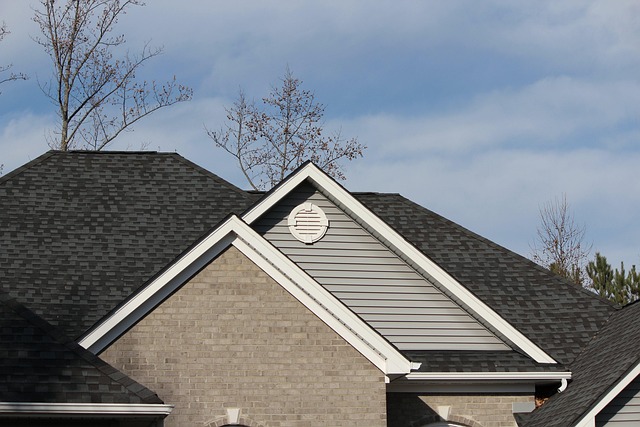
When most people think about household hazards, their minds go to kitchens, bathrooms, or stairways. Very few consider the attic. After all, it’s usually out of sight and rarely visited. Yet time and again, attics turn out to be one of the most hazardous areas of a home, especially in climates with cold winters, heavy snow, and big temperature swings like we see here in the Northwest.
Unsafe Access and Entry Risks
One of the biggest risks in an attic is poor or unsafe access. Many attic entries are nothing more than a thin panel in a ceiling or garage, paired with a pull-down ladder that hasn’t been serviced in years. Loose ladders, broken hinges, and undersized framing can easily lead to falls. Even experienced homeowners can misjudge their footing when climbing into a dark, confined space.
Structural Hazards Inside the Attic
Once inside, the dangers multiply. Attics are rarely designed for walking. Exposed ceiling joists are often spaced far apart, and stepping in the wrong place can send a foot straight through the ceiling below. Add low headroom, roof nails sticking through the sheathing, and limited lighting, and it becomes easy to see how injuries happen quickly.
Insulation and Air Quality Concerns
Insulation is another major concern. Older attics may contain insulation materials that irritate skin and lungs when disturbed. Even modern insulation can be problematic if it’s been compressed, shifted, or contaminated by moisture or pests. Breathing airborne fibers or dust without proper protection can cause short-term discomfort and long-term health concerns.
Electrical and Fire Hazards
Electrical hazards are also common. Attics often house junction boxes, older wiring, and sometimes amateur modifications made over decades. Loose connections, uncovered junction boxes, or outdated wiring types can pose fire risks, especially when buried under insulation. These issues tend to go unnoticed because the attic is rarely inspected unless there’s a problem elsewhere in the house.
Moisture, Ventilation, and Climate Issues
Moisture and ventilation problems add another layer of danger. Poor ventilation can lead to an excess of heat buildup in summer and too much moisture accumulation in winter. This combination encourages mold growth and wood deterioration, weakening structural components over time. In colder regions, improper attic conditions can also contribute to ice dams, which may cause water damage well beyond the attic itself.
Wildlife Intrusion and Health Risks
Finally, wildlife intrusion is more than a nuisance. Rodents and birds can damage wiring, compress insulation, and leave behind waste that poses health risks. Encounters with startled animals in tight attic spaces can also lead to injuries.
Final Thoughts
The attic may not be a daily living space, but it plays a critical role in the safety and performance of the home. Regular, careful evaluations and proper safety precautions can help reduce risks and prevent small issues from turning into serious problems. Sometimes, the most dangerous parts of a home are the ones we rarely see.