
When buyers read a home inspection report, it’s natural to wonder what it means for the future. Will the roof last another decade? Is the furnace nearing the end of its service life? Will today’s “minor” issues become tomorrow’s expensive surprises?
A home inspection offers valuable insight into a property’s current condition, but it is not able to predict the future. Understanding what it can—and cannot—predict helps set realistic expectations and supports better long-term decisions.
What a Home Inspection Can Predict
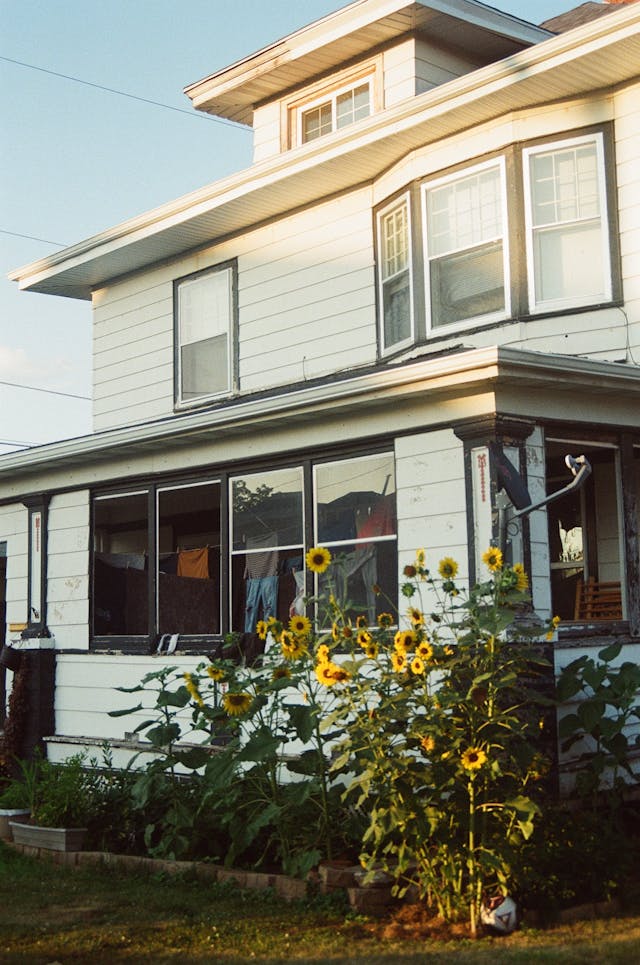
A home inspection can be likened to a snapshot in time. It evaluates visible and accessible components of a home on the day of the inspection. Structural elements, roofing, plumbing, electrical systems, heating and cooling equipment, insulation, and drainage are assessed for material defects, safety concerns, and signs of improper installation or wear.
From these observations, an inspector can often estimate the remaining typical service life of major components. For example, if a roof shows significant aging or a furnace is well beyond the midpoint of its expected lifespan, it is reasonable to anticipate replacement sooner rather than later.
Inspections can also identify conditions that tend to worsen if left unaddressed. Poor drainage, minor moisture intrusion, or early wood deterioration may not be urgent today, but they often lead to larger issues over several years. Recognizing these trends allows homeowners to plan maintenance, budget for repairs, and reduce the risk of accelerated deterioration.
What a Home Inspection Cannot Predict
While inspections provide valuable guidance, they cannot predict the future with certainty. Building components do not age on a fixed schedule. Two identical water heaters installed on the same day may perform very differently depending on water quality, usage patterns, installation quality, and maintenance history.
Environmental factors also play a role. Weather extremes, soil movement, and other natural conditions can significantly impact a home over time, and these influences are outside the scope of prediction during an inspection.
Hidden or concealed conditions are another limitation. Inspections do not involve invasive testing or dismantling building materials. Issues inside walls, beneath flooring, or under concrete may remain undiscovered until they become visible later. Additionally, future renovations, changes in occupancy, or deferred maintenance can dramatically alter how a home performs over the next ten years.
Setting the Right Expectations
It’s important to understand that a home inspection is not a warranty or guarantee. It does not promise that systems will perform for a certain length of time. Instead, it provides informed observations and professional opinions based on experience, established standards, and the conditions observed at the time of inspection.
The most accurate way to view a home inspection is as a planning tool. It helps buyers and homeowners understand where a house stands today, what deserves attention now, and what may reasonably be expected in the near future. When combined with ongoing maintenance and periodic evaluations, a home inspection becomes part of a smart, proactive approach to protecting one of life’s largest investments—without pretending to predict the unpredictable.