
When the power goes out, a portable generator can keep the refrigerator cold, provide lighting, and help maintain essential household systems. But a generator is only helpful when it is installed, operated, and maintained correctly. Improper use can create serious fire, electrical, and carbon monoxide hazards.
For homeowners, a few basic rules make a significant difference.
The Number One Rule: Keep It Outside
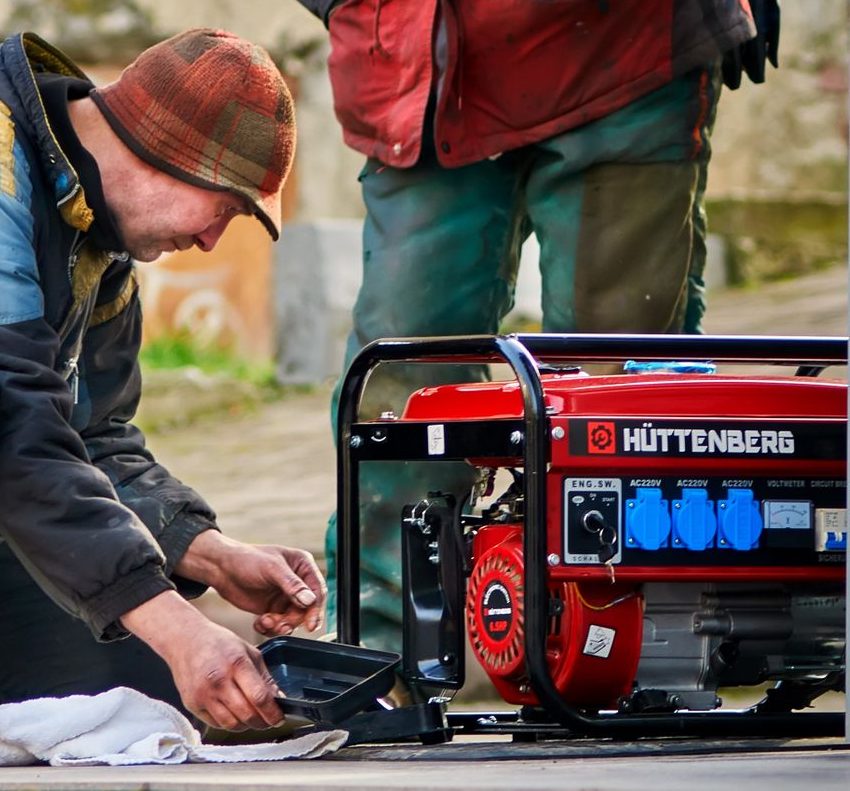
The most important rule of generator safety is simple: never operate a portable generator inside the house, basement, garage, crawlspace, shed, or other enclosed area.
Generators produce carbon monoxide (CO), an odorless and colorless gas that can become deadly without warning. Opening a door or window does not make indoor operation safe.
Place the generator outside and well away from the home, with the exhaust directed away from doors, windows, and other openings. Follow the manufacturer’s clearance requirements, particularly when deciding where to position the unit.
Don’t Plug a Generator Into a Wall Outlet
A common but dangerous shortcut is connecting a generator to a household receptacle with a homemade or improperly configured cord. This practice, sometimes called backfeeding, can send electricity into the home’s wiring in ways it was never designed to handle.
It can also put utility workers at risk when they are working on supposedly de-energized lines.
If a generator is intended to power selected household circuits, a properly installed transfer switch or approved interlock system should be used. Installation should be performed by a qualified electrician and comply with applicable electrical requirements.
Use the Right Extension Cords
For appliances that are connected directly to the generator, use heavy-duty, outdoor-rated extension cords that are appropriately sized for the electrical load. Inspect cords for damaged insulation, loose connections, or signs of overheating before use.
Avoid overloading the generator. Add up the wattage of the equipment being operated and stay within the generator’s rated capacity. Remember that some appliances, particularly refrigerators, pumps, and motors, can require substantially more power when starting than when running.
Fuel Storage Matters, Too
Gasoline and other fuels should be stored only in approved containers and kept away from ignition sources. Always shut the generator down and allow it to cool before adding fuel. Never refuel a hot or running generator.
Fuel should also be stored outside the living area and according to local fire-safety requirements.
A Little Maintenance Goes a Long Way
A generator that has been sitting untouched since the last storm may not start when it is needed most. Follow the manufacturer’s maintenance schedule, inspect the fuel system, check the oil, and periodically test the unit according to the manufacturer’s instructions.
Carbon monoxide alarms should be installed and maintained in appropriate locations inside the home as well.
The Bottom Line
A portable generator can be an extremely useful piece of emergency equipment, but it should be treated like an engine-powered electrical appliance—not an ordinary household device. Keep it outdoors, prevent backfeeding, use properly rated cords, avoid overloading, handle fuel safely, and follow the manufacturer’s instructions.
Taking a few minutes to set things up correctly can help keep an inconvenient power outage from becoming a much more serious problem.