
At first glance, a cracked or broken outlet cover doesn’t seem like a pressing concern. It’s a small detail, easy to ignore in the middle of everyday routines. If the outlet still powers devices, it’s tempting to assume everything is fine. However, that visible damage often hints at risks that aren’t immediately obvious.
The Purpose Behind the Plate
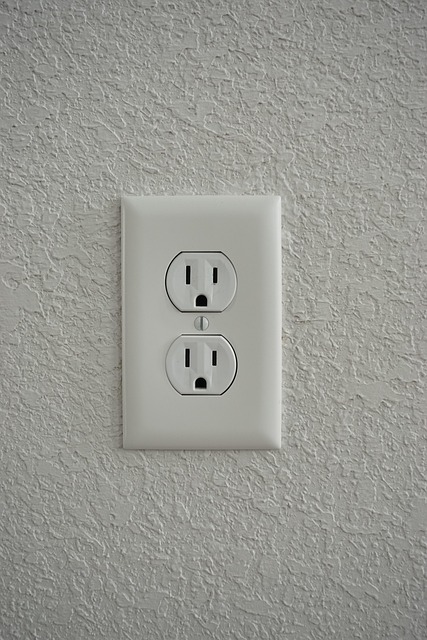
Outlet covers are not simply decorative. They act as a protective shield, keeping fingers, objects, and foreign materials away from energized components. Once that shield is compromised, even slightly, the level of protection drops significantly.
A small crack can grow over time, especially with regular use. Each time something is plugged in or removed, stress is applied to the cover. Eventually, this can lead to pieces breaking off, leaving gaps where contact with internal wiring becomes possible.
Exposure to the Elements
One of the less obvious concerns is what can enter through a damaged cover. Moisture is a major factor, particularly in areas prone to humidity or splashes. When water finds its way inside, it can cause corrosion or interfere with electrical connections.
Dust and small debris are also problematic. While they may seem harmless, buildup inside an outlet can lead to overheating or inconsistent performance. These issues often develop gradually, making them harder to detect until a larger problem arises.
A Sign of Something Deeper
Damage to an outlet cover can sometimes point to underlying issues. For example, if the outlet feels loose or shifts when used, the problem may extend beyond the surface. Movement inside the wall, worn mounting hardware, or improper installation could all be contributing factors.
In some cases, impact damage that cracked the cover may have also affected the outlet itself. While this isn’t always visible, it’s worth considering, especially if there are other warning signs like flickering power or unusual warmth.
An Easy Upgrade with Lasting Impact
Replacing a damaged outlet cover is one of the simplest maintenance tasks in a home. It requires minimal time, basic tools, and a very small investment. Despite its simplicity, the benefits are immediate—restored protection, improved appearance, and reduced risk.
Taking care of small issues like this also helps maintain overall home safety. It sets a standard for addressing concerns early, before they have a chance to escalate.
Knowing When to Look Closer
If there are additional signs—such as discoloration, heat marks, or a burning smell—it’s important not to stop at replacing the cover. These can indicate more serious electrical concerns that should be evaluated carefully.
Closing Perspective
A damaged outlet cover may seem insignificant, but it plays an important role in everyday safety. Addressing it promptly is a straightforward way to avoid preventable risks and maintain a well-functioning home environment.