
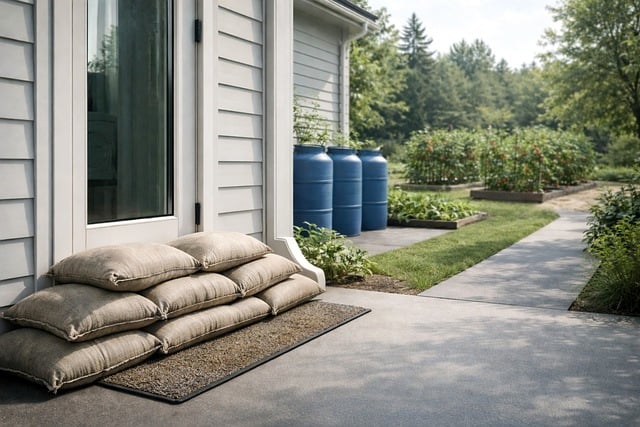
Buying a home is a major investment, and discovering that a property has flooded in the past can raise some important questions. Is the house still a good investment? Could the damage happen again? And how can a buyer determine whether the property is safe and worth the asking price?
The good news is that a history of flooding does not automatically make a house a bad purchase. However, understanding what happened, how repairs were handled, and whether the underlying risks remain is essential before making a decision.
Understanding the Risks of a Previously Flooded Home
Flooding can affect far more than floors and drywall. Water may damage insulation, electrical components, plumbing systems, foundations, and structural materials. Moisture trapped behind walls or beneath flooring can also encourage mold growth and wood decay long after visible water has disappeared.
In Boise and the surrounding Treasure Valley, buyers should consider the property’s location, drainage patterns, proximity to waterways, and history of heavy runoff. Flood risk varies by neighborhood and individual lot, so assumptions based on nearby properties are not enough.
What Should Buyers Check Before Making an Offer?
A careful evaluation can help distinguish a manageable repair history from an ongoing concern.
1. Find out why the flooding occurred. Was it caused by a plumbing failure, poor exterior drainage, groundwater, stormwater runoff, or a nearby waterway overflowing? Identifying the source helps determine whether the problem was isolated or could happen again.
2. Review repair records. Ask for documentation of water removal, drying, mold remediation, and structural repairs. Receipts, permits, and contractor reports can help establish what work was completed. Cosmetic improvements alone do not prove that underlying moisture problems have been resolved.
3. Look for signs of previous water damage. Stains, warped flooring, musty odors, peeling paint, damaged trim, and fresh patches on lower walls may deserve further investigation. None proves flooding on its own, but each can justify additional questions.
4. Check the property’s flood exposure. Review FEMA flood maps and ask about previous insurance claims or known flood events. Remember that a property outside a mapped high-risk flood zone can still experience flooding.
Can Flood Insurance and Repairs Make It a Good Buy?
Potentially, yes. A home with a documented, professionally repaired flooding incident may be a reasonable purchase if the cause has been corrected and the remaining risks are acceptable.
Before committing, obtain an insurance quote and confirm coverage availability, deductibles, exclusions, and any lender requirements. Compare these ongoing costs with the purchase price and your budget. You should also consider whether the home’s resale value could be affected by its flooding history.
Why a Professional Home Inspection Matters
A standard home inspection can identify visible signs of moisture intrusion, deterioration, drainage concerns, and other conditions that warrant attention. However, it cannot guarantee that a property will never flood again or reveal every concealed defect.
When concerns arise, additional evaluation by a qualified structural engineer, mold specialist, or drainage professional may be appropriate.
The Bottom Line
Buying a house with a flooding history can make sense, but only when the risks are understood and the numbers work. Investigate the cause, verify repairs, evaluate future exposure, and understand the insurance costs before proceeding.
A lower purchase price is not necessarily a bargain if recurring water damage becomes an expensive problem. A thorough inspection and informed decision can help protect both your investment and your peace of mind.