
A swimming pool can transform a backyard into a relaxing retreat, a place for family gatherings, and a feature that makes a home stand out. But when it comes to deciding whether a pool is a good investment, the answer is not always as simple as “yes” or “no.” A pool can add enjoyment and value to a property, but it also comes with ongoing costs, maintenance responsibilities, and considerations that are easy to overlook.
The Real Value of a Swimming Pool
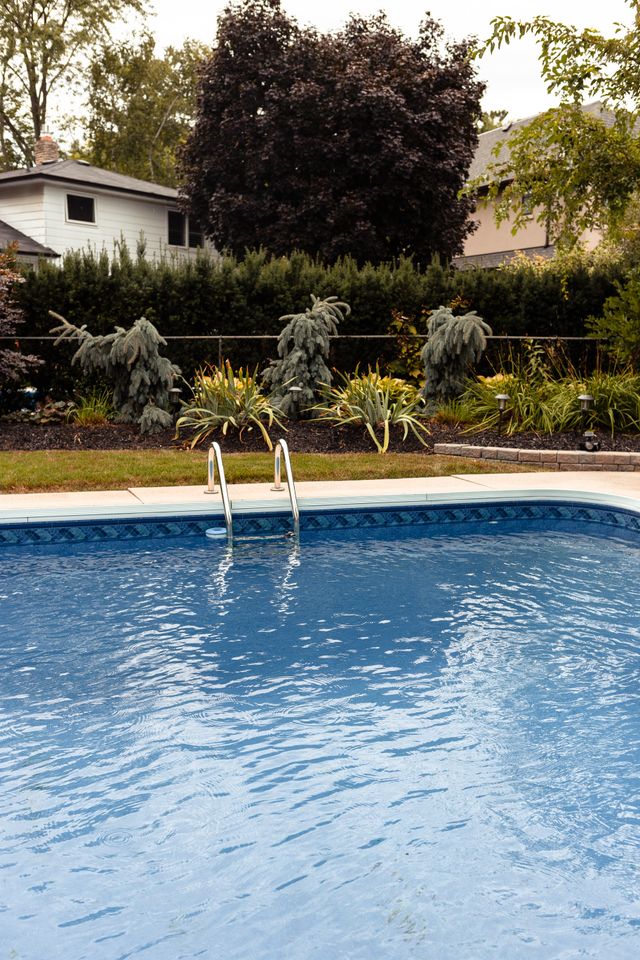
For many homeowners, the biggest return from a pool is not financial — it is lifestyle. A well-designed pool can create an outdoor living space that gets used for years. In warmer climates, a pool may be considered a desirable feature by many buyers, especially when the backyard is thoughtfully designed with patios, landscaping, shade areas, and entertaining spaces.
However, a pool does not automatically increase a home’s value by the full amount spent on installation. Buyers may appreciate having a pool, but some may also see it as a maintenance project or a safety concern. The value depends heavily on the neighborhood, local market, quality of construction, and how well the pool fits the property.
What Homeowners Often Forget: The Long-Term Costs
The initial installation price is only the beginning. Pools require regular care, including cleaning, chemical balancing, equipment maintenance, and seasonal preparation. Pumps, filters, heaters, liners, covers, and other components eventually wear out and need repairs or replacement.
Energy costs can also add up, particularly with heated pools or older equipment that is not energy efficient. A pool that looks affordable on paper can become a much larger commitment over time if future maintenance is not considered.
A Pool Should Match the Home — Not Compete With It
A common mistake is focusing only on the pool itself and forgetting the surrounding property. A beautiful pool with poor drainage, cracked decking, outdated equipment, or neglected landscaping may create more headaches than enjoyment.
Before adding a pool, it is important to consider the entire backyard environment. Proper grading, water management, fencing, access points, and equipment placement all affect how well the feature performs over time. A pool should enhance the home, not introduce preventable problems.
Safety and Maintenance Matter More Than Appearance
A sparkling pool can be impressive, but behind the scenes, safety and upkeep are what protect the investment. Secure barriers, properly functioning equipment, safe electrical connections, and routine inspections are important parts of responsible pool ownership.
Potential buyers often look beyond the surface. A pool that has been cared for and maintained can be a major selling point. A pool with signs of neglect can raise concerns and become a negotiating factor during a home sale.
So, Is a Pool a Good Investment?
A swimming pool can be a worthwhile investment when it fits the home, the location, and the homeowner’s plans. It offers enjoyment, outdoor living space, and added appeal when properly designed and maintained.
For those expecting a guaranteed financial return, a pool may not always deliver. But for homeowners who will use it, maintain it, and appreciate the lifestyle it provides, it can be one of the most rewarding upgrades a property can have.
The best investment decisions consider both the numbers and the everyday experience of living in the home. A pool is not just a feature — it is a commitment that should be made with a clear understanding of the benefits and responsibilities that come with it.