
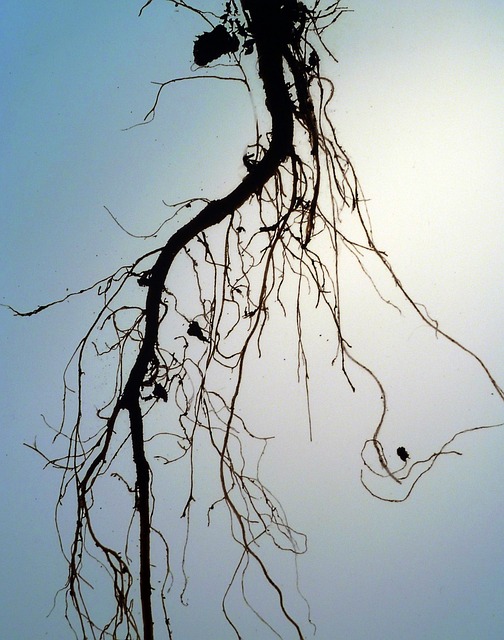
When it comes to enhancing the beauty and ambiance of our homes, trees play a crucial role. They provide shade, improve air quality, and create a serene environment. However, trees that are situated too close to a house can sometimes cause damage. This month, we will explore the potential risks and issues that may arise from having trees in close proximity to a house, starting with the roots:
Structural damage. Large trees with extensive root systems can exert pressure on the foundation of a house. Over time, this pressure can lead to cracks in the foundation, compromising the structural integrity of the building. Such damage may be expensive to repair and can affect the value of the property.
Foundation issues. The roots of trees seek moisture, and if they grow beneath the foundation of a house, they can cause the soil to shift or become uneven. This movement can result in foundation settlement, leading to cracks in walls, floors, and ceilings. Additionally, it can cause doors and windows to become misaligned, affecting their functionality.
Plumbing and drainage problems. As we mentioned, tree roots are attracted to water sources, including underground pipes and drains. As they grow, they can invade and damage these plumbing systems, leading to leaks, clogs, and blockages – this can disrupt the proper functioning of the house’s plumbing and drainage systems, requiring costly repairs.
Tree selection and placement. If you desire trees close to your house, choose species with non-invasive root systems, that are less likely to cause damage. Consider the tree’s mature size and proximity to the house, ensuring there is ample space for growth without encroaching on the structure.