
Wood rot is a common problem that can cause structural damage and compromise the integrity of your home. In this article, we will highlight some areas where wood rot could be a problem.
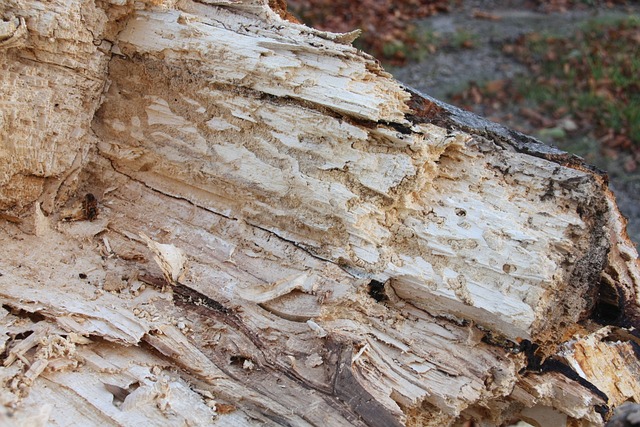
Signs of Wood Rot
Wood affected by rot often appears darker than healthy wood. It may also show signs of discoloration, such as black or brown spots.
When wood rots, it loses its firmness and becomes soft or spongy to the touch. Gently press against the wood surfaces you suspect might be affected by rot. If they give way easily or feel spongy, it’s a clear indication of wood rot.
One of the most visible signs of wood rot is the growth of fungi or mold on the affected wood surfaces. These growths thrive in moist environments and often accompany wood rot.
Areas To Check for Wood Rot
Inspect your roof for damaged or missing shingles, as well as soft spots in the eaves. Pay attention to areas where water tends to accumulate, such as valleys or near chimneys.
Carefully examine the siding and trim around your home. Check the areas where the siding and trim meet windows, doors, and corners, as they are prone to water penetration.
Inspect the frames, sills, and thresholds of your windows and doors. Pay attention to areas where moisture may accumulate, such as the bottom corners or areas near sprinklers.
Inspect the wooden structures in your attic and crawl spaces. Check the roof trusses, floor joists, and supporting beams.
Wood rot is often prevalent in areas with high moisture levels, such as bathrooms and kitchens. Inspect the areas around sinks, showers, bathtubs, cabinetry, and toilets.
If you discover wood rot during your inspection, it’s important to take appropriate action to prevent further damage.